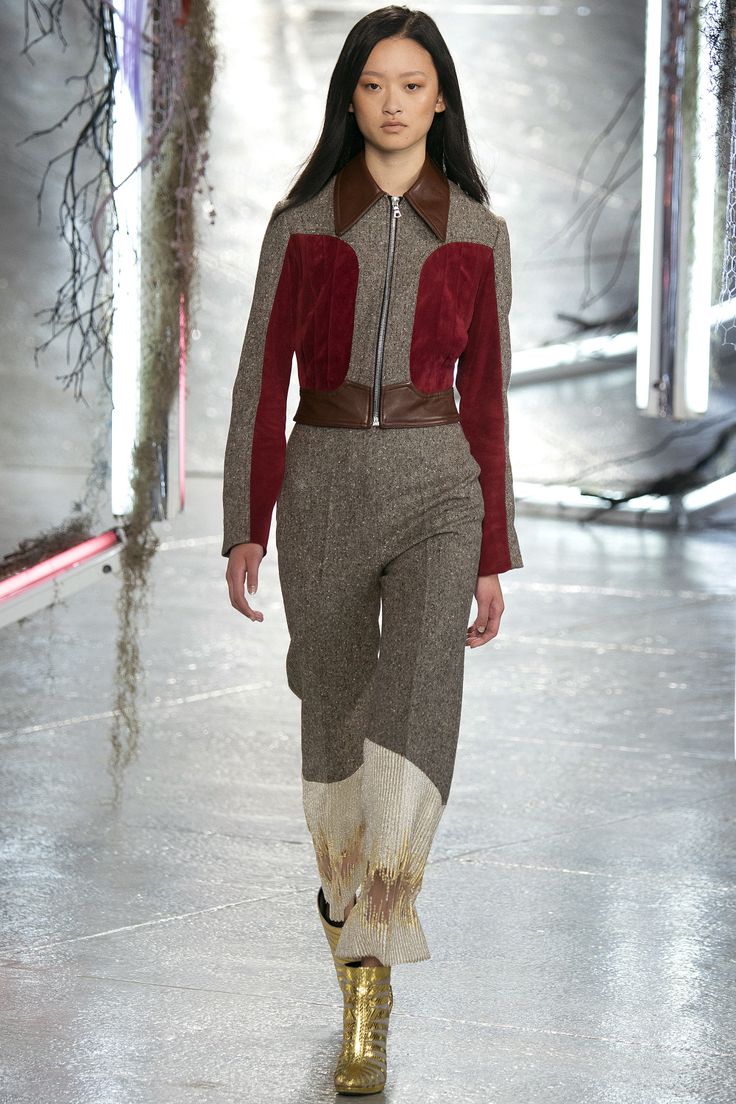
Rodarte – New York Fashion Week 2015…
-
 Men’s Clothing Trends and Styles
With spring almost here and the winter dying down it’s time to take
Men’s Clothing Trends and Styles
With spring almost here and the winter dying down it’s time to take -
Vestidos curtos e rosas são destaque em semana de moda noiva de Nova York -…
Vestidos curtos e rosas são destaque em semana de moda noiva de Nova
-
Trendy Men’s Fashion Tips
Looking good means more than having a fit, cut body. It also means
About Author

admin
Fashion weeks have evolved into sprawling global events where cities like New York, London, Milan, and Paris each bring their own visual language to the runway. The rhythm of a season often begins with the New York shows, where established houses and emerging labels share the same packed calendar. Collections shown here tend to blend commercial polish with a sense of urgency, reflecting the pace of the city itself. Across the pond, European weeks add a different texture, layering heritage houses alongside avant-garde voices. Together, these cities form a connected circuit that shapes how trends travel and how style is photographed, discussed, and remembered throughout the rest of the year.
Street style has become its own form of commentary, turning the sidewalks outside the shows into an informal gallery of personal expression. Photographers, editors, and curious onlookers watch for guests who mix high fashion with vintage finds, unexpected accessories, or a single bold piece that sets the whole look apart. The results circulate widely and influence how collections are read, sometimes overshadowing the runway itself. This ecosystem rewards individuality, encouraging a fluid conversation between what is shown on the catwalk and what is worn in the world. It also blurs the line between spectator and participant, suggesting that style is something lived rather than merely observed.
Designers like Rodarte and Calvin Klein represent very different threads in contemporary fashion, yet both illustrate how a strong creative vision can leave a lasting mark. Rodarte is often associated with romantic craftsmanship, drawing on cinematic references, delicate textures, and a sense of fantasy that feels removed from everyday wardrobes. Calvin Klein, by contrast, has long been linked to a stripped-back American aesthetic, favoring clean lines, neutral palettes, and an understated sensuality. Looking at houses with such distinct philosophies side by side highlights the range of directions a single season can offer, from the ethereal to the essential, and shows how diverse approaches to clothing can coexist within a shared industry calendar.
The spring summer season brings its own particular concerns, from lightweight fabrics to palettes suited to warmer days. Buyers, editors, and stylists look closely at how a collection might translate beyond the runway, considering drape, versatility, and the kinds of occasions a piece could serve. Resort and pre-collection lines have grown in importance, filling the gaps between the main showings and offering more immediately wearable options. As the industry adapts to shifting schedules and changing retail habits, the rhythm of releases continues to evolve, encouraging thoughtful interpretation of each new direction rather than a rush toward a single dominant look.
Coverage of fashion today extends well beyond printed magazines, spreading across blogs, social platforms, and image-led galleries. A single show can be unpacked through written reviews, behind-the-scenes footage, close-up photographs of garments, and conversations with designers that together build a richer portrait of the work. This layered approach invites readers to engage with fashion on their own terms, whether they are interested in craftsmanship, cultural context, or simply how a particular look might fit into a personal wardrobe. By weaving together many voices and formats, contemporary fashion writing helps sustain a broader dialogue between creators and the audiences who follow their work.