NYFW: novas direções
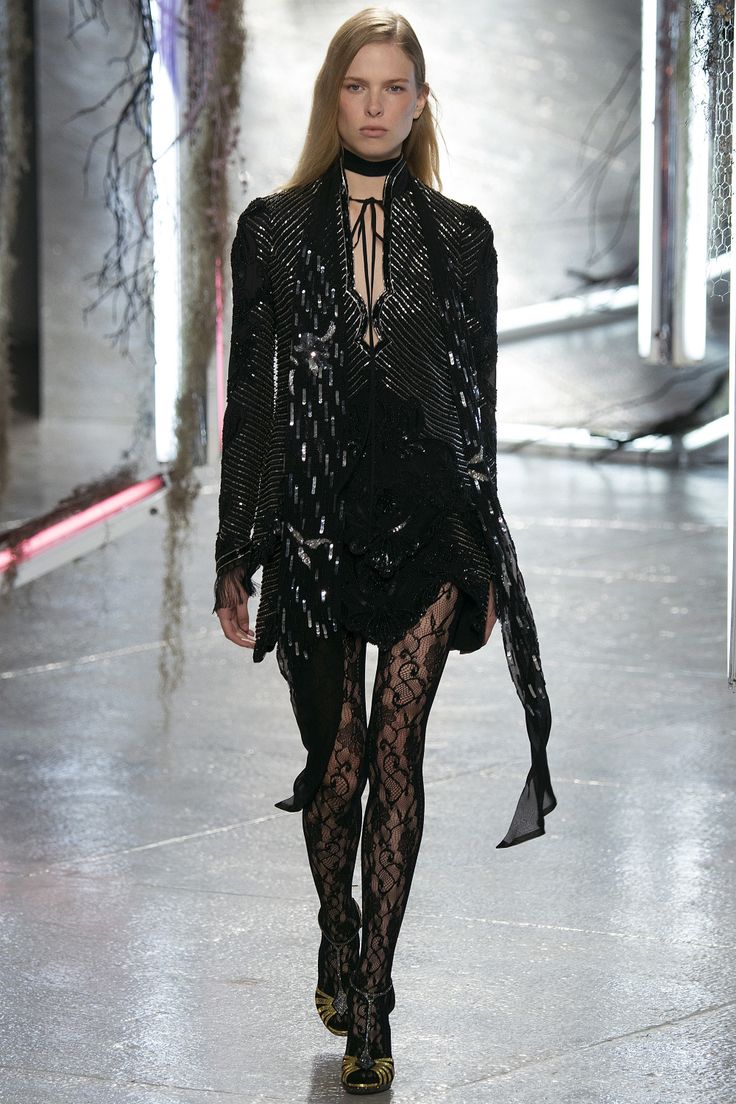
-
 Appropriate Fashion Sense For Men During the Winter Season For Layering, Warmth, and Accessories
As the fall time approaches near many men have important decisions to make
Appropriate Fashion Sense For Men During the Winter Season For Layering, Warmth, and Accessories
As the fall time approaches near many men have important decisions to make -
Fashion illustration, Samantha Hahn…
Fashion illustration, Samantha Hahn Source by marquiselem
-
Sexy Panties – Why Men Love Them and Women Need Them
There’s a difference between women’s underwear and sexy panties. Underwear is functional. It
About Author

admin
Fashion blogging has evolved from a niche hobby into a vibrant corner of the wider style conversation, with writers documenting everything from runway highlights to everyday street style. Readers are drawn to the personal perspective, the way a blogger can translate a high-fashion concept into something approachable. The result is a space where trends, opinions, and visual storytelling come together, offering an alternative to mainstream fashion media. Runway coverage remains one of the most anticipated features of any fashion blog, particularly during the major seasonal weeks. Collections are reviewed not only for their artistic direction but also for how they might filter down into wardrobes. Bloggers often highlight standout pieces, recurring themes, and surprising departures from previous seasons, giving readers a quick yet thoughtful way to stay informed. Street style has its own dedicated audience, with photographers capturing the looks worn outside the shows. This form of documentation celebrates individuality and offers a different kind of inspiration, one rooted in real people navigating real environments. The contrast between polished runway presentations and the eclectic energy of the streets gives fashion blogging its dynamic range. Beyond the spectacle of new collections, many blogs serve as archives of style history, revisiting past designers, iconic moments, and shifting cultural attitudes. This long-form approach helps readers understand how today's trends connect to earlier movements, encouraging a deeper appreciation of the craft and vision behind clothing. Ultimately, a successful fashion blog balances timely reporting with a clear point of view, giving readers both information and personality. Whether covering a major fashion week, profiling emerging talent, or simply sharing a personal outfit, the goal is to invite conversation and keep the dialogue around style open, accessible, and ongoing.
Fashion blogging has evolved from a niche hobby into a vibrant corner of the wider style conversation, with writers documenting everything from runway highlights to everyday street style. Readers are drawn to the personal perspective, the way a blogger can translate a high-fashion concept into something approachable. The result is a space where trends, opinions, and visual storytelling come together, offering an alternative to mainstream fashion media and giving voice to a more diverse range of tastemakers. Runway coverage remains one of the most anticipated features of any fashion blog, particularly during the major seasonal weeks. Collections are reviewed not only for their artistic direction but also for how they might filter down into wardrobes. Bloggers often highlight standout pieces, recurring themes, and surprising departures from previous seasons, giving readers a quick yet thoughtful way to stay informed about where the industry appears to be heading. Street style has its own dedicated audience, with photographers capturing the looks worn outside the shows. This form of documentation celebrates individuality and offers a different kind of inspiration, one rooted in real people navigating real environments. The contrast between polished runway presentations and the eclectic energy of the streets gives fashion blogging its dynamic range and keeps readers returning for fresh perspective. Beyond the spectacle of new collections, many blogs serve as archives of style history, revisiting past designers, iconic moments, and shifting cultural attitudes. This long-form approach helps readers understand how today's trends connect to earlier movements, encouraging a deeper appreciation of the craft and vision behind clothing while preserving moments that might otherwise fade from memory. Ultimately, a successful fashion blog balances timely reporting with a clear point of view, giving readers both information and personality. Whether covering a major fashion week, profiling emerging talent, or simply sharing a personal outfit, the goal is to invite conversation and keep the dialogue around style open, accessible, and ongoing for a community that values both creativity and expression.
Fashion blogging has evolved from a niche hobby into a vibrant corner of the wider style conversation, with writers documenting everything from runway highlights to everyday street style. Readers are drawn to the personal perspective, the way a blogger can translate a high-fashion concept into something approachable. The result is a space where trends, opinions, and visual storytelling come together, offering an alternative to mainstream fashion media and giving voice to a more diverse range of tastemakers shaping the conversation. Runway coverage remains one of the most anticipated features of any fashion blog, particularly during the major seasonal weeks. Collections are reviewed not only for their artistic direction but also for how they might filter down into wardrobes. Bloggers often highlight standout pieces, recurring themes, and surprising departures from previous seasons, giving readers a quick yet thoughtful way to stay informed about where the industry appears to be heading and what those shifts might mean for the coming months. Street style has its own dedicated audience, with photographers capturing the looks worn outside the shows. This form of documentation celebrates individuality and offers a different kind of inspiration, one rooted in real people navigating real environments. The contrast between polished runway presentations and the eclectic energy of the streets gives fashion blogging its dynamic range and keeps readers returning for fresh perspective from familiar names and newcomers alike. Beyond the spectacle of new collections, many blogs serve as archives of style history, revisiting past designers, iconic moments, and shifting cultural attitudes. This long-form approach helps readers understand how today's trends connect to earlier movements, encouraging a deeper appreciation of the craft and vision behind clothing while preserving moments that might otherwise fade from memory, ensuring that fashion remains a living dialogue between past and present. Ultimately, a successful fashion blog balances timely reporting with a clear point of view, giving readers both information and personality. Whether covering a major fashion week, profiling emerging talent, or simply sharing a personal outfit, the goal is to invite conversation and keep the dialogue around style open, accessible, and ongoing for a community that values both creativity and expression in equal measure.
Fashion blogging has evolved from a niche hobby into a vibrant corner of the wider style conversation, with writers documenting everything from runway highlights to everyday street style. Readers are drawn to the personal perspective, the way a blogger can translate a high-fashion concept into something approachable. The result is a space where trends, opinions, and visual storytelling come together, offering an alternative to mainstream fashion media and giving voice to a more diverse range of tastemakers shaping the conversation across seasons. Runway coverage remains one of the most anticipated features of any fashion blog, particularly during the major seasonal weeks. Collections are reviewed not only for their artistic direction but also for how they might filter down into wardrobes. Bloggers often highlight standout pieces, recurring themes, and surprising departures from previous seasons, giving readers a quick yet thoughtful way to stay informed about where the industry appears to be heading and what those shifts might mean for the coming months of retail and editorial coverage. Street style has its own dedicated audience, with photographers capturing the looks worn outside the shows. This form of documentation celebrates individuality and offers a different kind of inspiration, one rooted in real people navigating real environments. The contrast between polished runway presentations and the eclectic energy of the streets gives fashion blogging its dynamic range and keeps readers returning for fresh perspective from familiar names and newcomers alike, each contributing their own eye. Beyond the spectacle of new collections, many blogs serve as archives of style history, revisiting past designers, iconic moments, and shifting cultural attitudes. This long-form approach helps readers understand how today's trends connect to earlier movements, encouraging a deeper appreciation of the craft and vision behind clothing while preserving moments that might otherwise fade from memory, ensuring that fashion remains a living dialogue between past and present, and between editor and reader. Ultimately, a successful fashion blog balances timely reporting with a clear point of view, giving readers both information and personality. Whether covering a major fashion week, profiling emerging talent, or simply sharing a personal outfit, the goal is to invite conversation and keep the dialogue around style open, accessible, and ongoing for a community that values both creativity and expression in equal measure, season after season.
Fashion blogging has evolved from a niche hobby into a vibrant corner of the wider style conversation, with writers documenting everything from runway highlights to everyday street style. Readers are drawn to the personal perspective, the way a blogger can translate a high-fashion concept into something approachable. The result is a space where trends, opinions, and visual storytelling come together, offering an alternative to mainstream fashion media and giving voice to a more diverse range of tastemakers shaping the conversation across seasons and continents. Runway coverage remains one of the most anticipated features of any fashion blog, particularly during the major seasonal weeks. Collections are reviewed not only for their artistic direction but also for how they might filter down into wardrobes. Bloggers often highlight standout pieces, recurring themes, and surprising departures from previous seasons, giving readers a quick yet thoughtful way to stay informed about where the industry appears to be heading and what those shifts might mean for the coming months of retail and editorial coverage. Street style has its own dedicated audience, with photographers capturing the looks worn outside the shows. This form of documentation celebrates individuality and offers a different kind of inspiration, one rooted in real people navigating real environments. The contrast between polished runway presentations and the eclectic energy of the streets gives fashion blogging its dynamic range and keeps readers returning for fresh perspective from familiar names and newcomers alike, each contributing their own eye. Beyond the spectacle of new collections, many blogs serve as archives of style history, revisiting past designers, iconic moments, and shifting cultural attitudes. This long-form approach helps readers understand how today's trends connect to earlier movements, encouraging a deeper appreciation of the craft and vision behind clothing while preserving moments that might otherwise fade from memory, ensuring that fashion remains a living dialogue between past and present, and between editor and reader. Ultimately, a successful fashion blog balances timely reporting with a clear point of view, giving readers both information and personality. Whether covering a major fashion week, profiling emerging talent, or simply sharing a personal outfit, the goal is to invite conversation and keep the dialogue around style open, accessible, and ongoing for a community that values both creativity and expression in equal measure, season after season, post after post.