Rodarte – New York Fashion Week 2015…
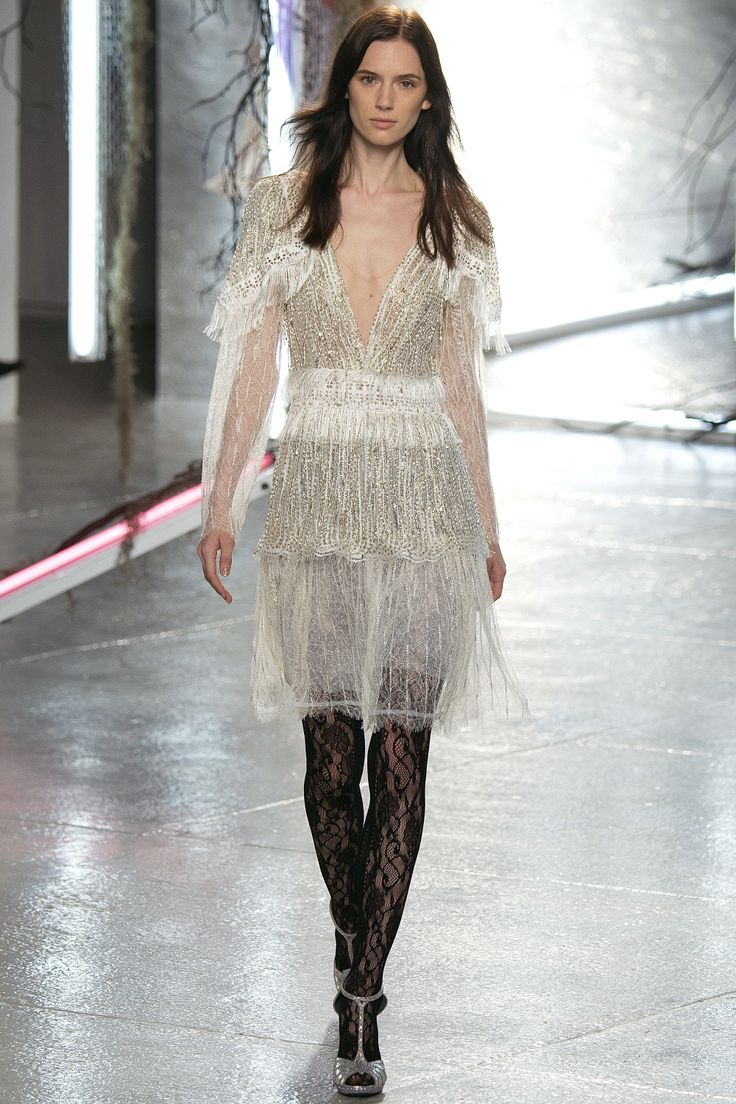
-
 Men’s Fashion: The Difference Between Trends and Style
The relative complexities of women’s and men’s fashion Both men and women can
Men’s Fashion: The Difference Between Trends and Style
The relative complexities of women’s and men’s fashion Both men and women can -
Kelly Osbourne em desfile na Semana de Moda de Nova York, nos EUA…
Kelly Osbourne em desfile na Semana de Moda de Nova York, nos EUA
-
Terminou a semana de moda em Nova York com as tendências de Inverno 2014/15…
Terminou a semana de moda em Nova York com as tendências de Inverno
About Author

admin
Fashion weeks in major cities serve as cultural milestones, setting the tone for what designers, editors, and stylists will be paying attention to in the months ahead. From New York to Paris, these events introduce collections that blend artistic vision with wearable interpretation, giving the industry a shared vocabulary each time the calendar turns. Following the shows through galleries and street style photography helps readers understand how a runway idea translates into everyday dressing. Coverage often balances spectacle with substance, capturing both the grandeur of the venue and the quiet details that make a collection memorable. -
Street style photography has become a parallel narrative to the official runway calendar. Photographers gather outside shows to document how fashion insiders interpret current trends through personal wardrobes, mixing high and low, old and experimental pieces. The resulting images circulate widely, shaping public perception of what feels modern and what feels tired. Unlike curated editorials, street style reflects real choices made under time pressure and weather conditions. Over time, recurring silhouettes and color stories emerge, offering readers an informal barometer of where taste is heading. -
Collections labeled as ready-to-wear occupy a central space in the fashion calendar, sitting between couture fantasy and commercial reality. Designers use these lines to test ideas, refine signatures, and reach a broader audience than bespoke clients alone. The tension between creative ambition and the demands of retailers shapes each season's rhythm. Reviewers look for collections that feel coherent yet surprising, showing a clear point of view without drifting too far from what customers might actually wear. Photographs from presentations help translate that balance into a story readers can visualize. -
Seasonal shifts toward warmer weather invite a reconsideration of fabric, color, and silhouette. Summer collections traditionally favor lighter materials, brighter palettes, and looser constructions, encouraging a more relaxed approach to dressing. Yet each designer interprets the season differently, drawing on local references, travel memories, or cultural touchstones. Readers often look to editorials and runway reviews to identify which ideas feel personal and which feel derivative, using critical perspective to navigate a steady flow of previews and collection highlights. -
Blogging about fashion allows writers to bridge personal taste and industry observation. A good fashion blog combines reporting with reflection, treating runway images, street photography, and archival references as starting points for longer conversations about taste and identity. Readers return not just for news but for a recognizable voice that filters trends into something useful. Over time, that consistency builds trust and turns casual visitors into regular followers who see the blog as a steady, thoughtful companion through each changing season. -